
A Silent Epidemic with loud consequences: Pollution in Peru’s Moche River
November 9, 2025
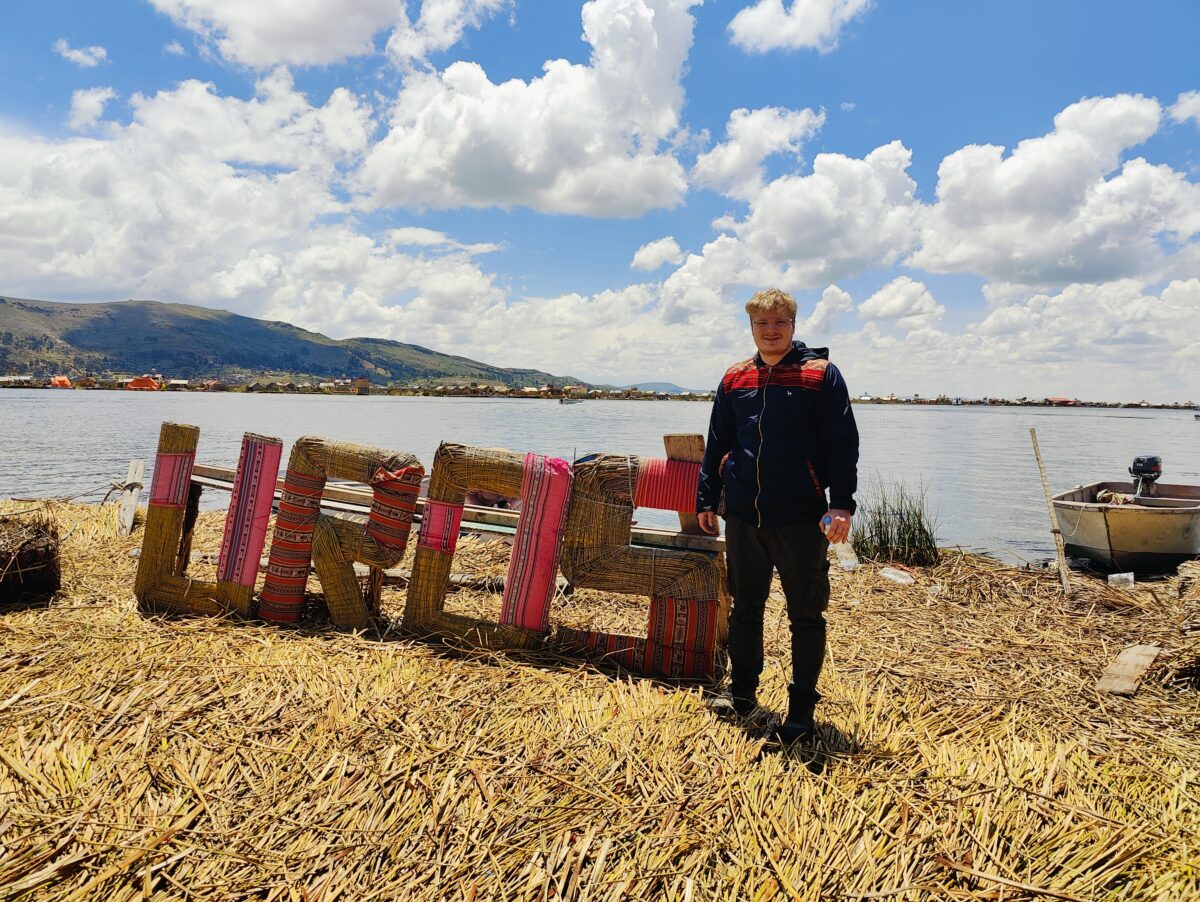
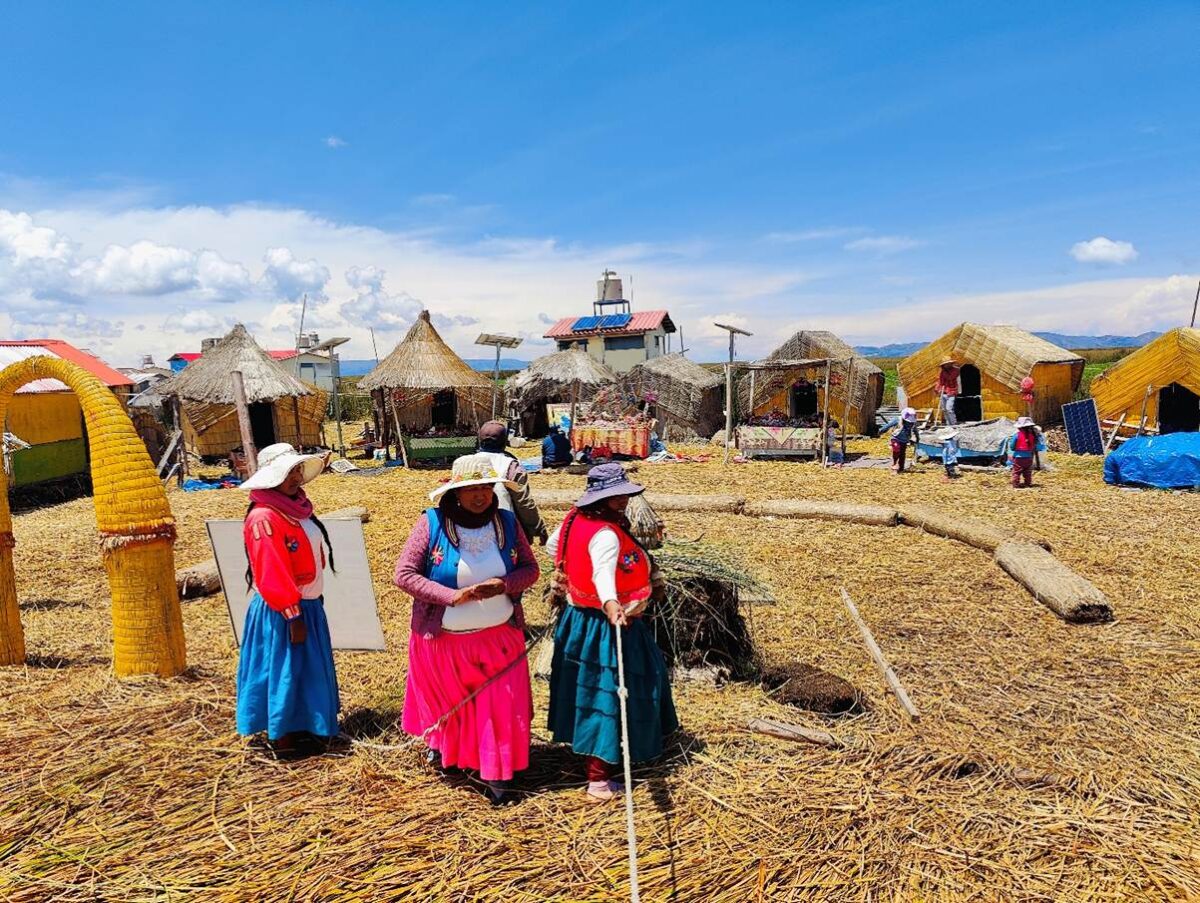
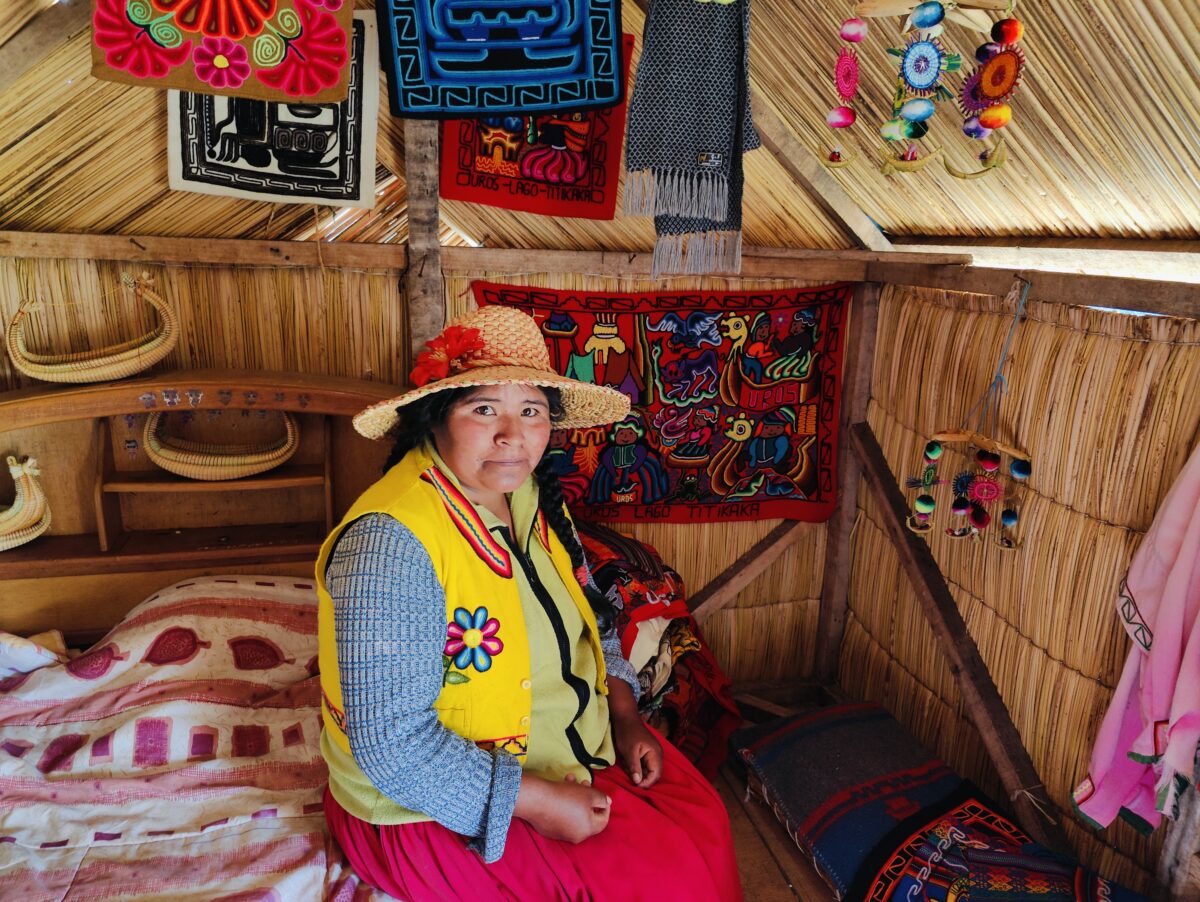
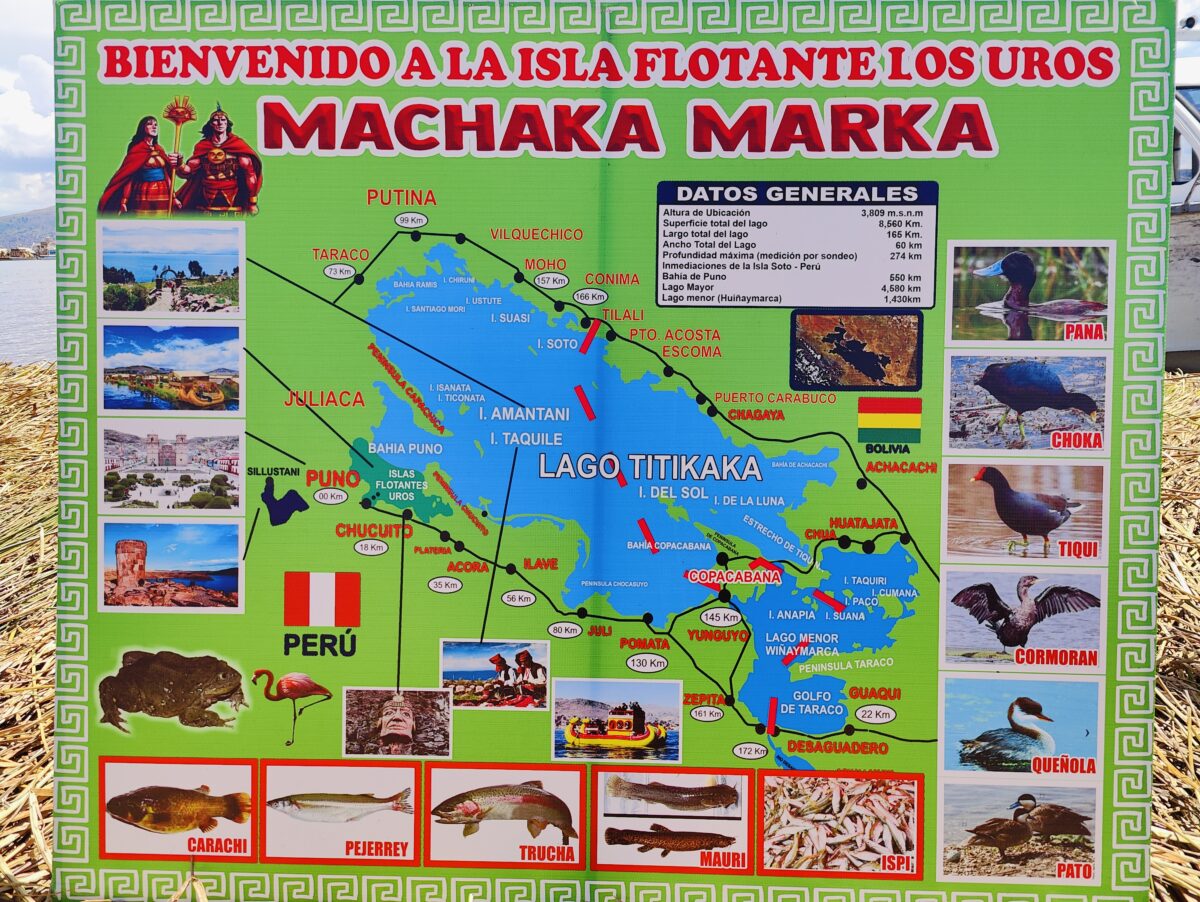
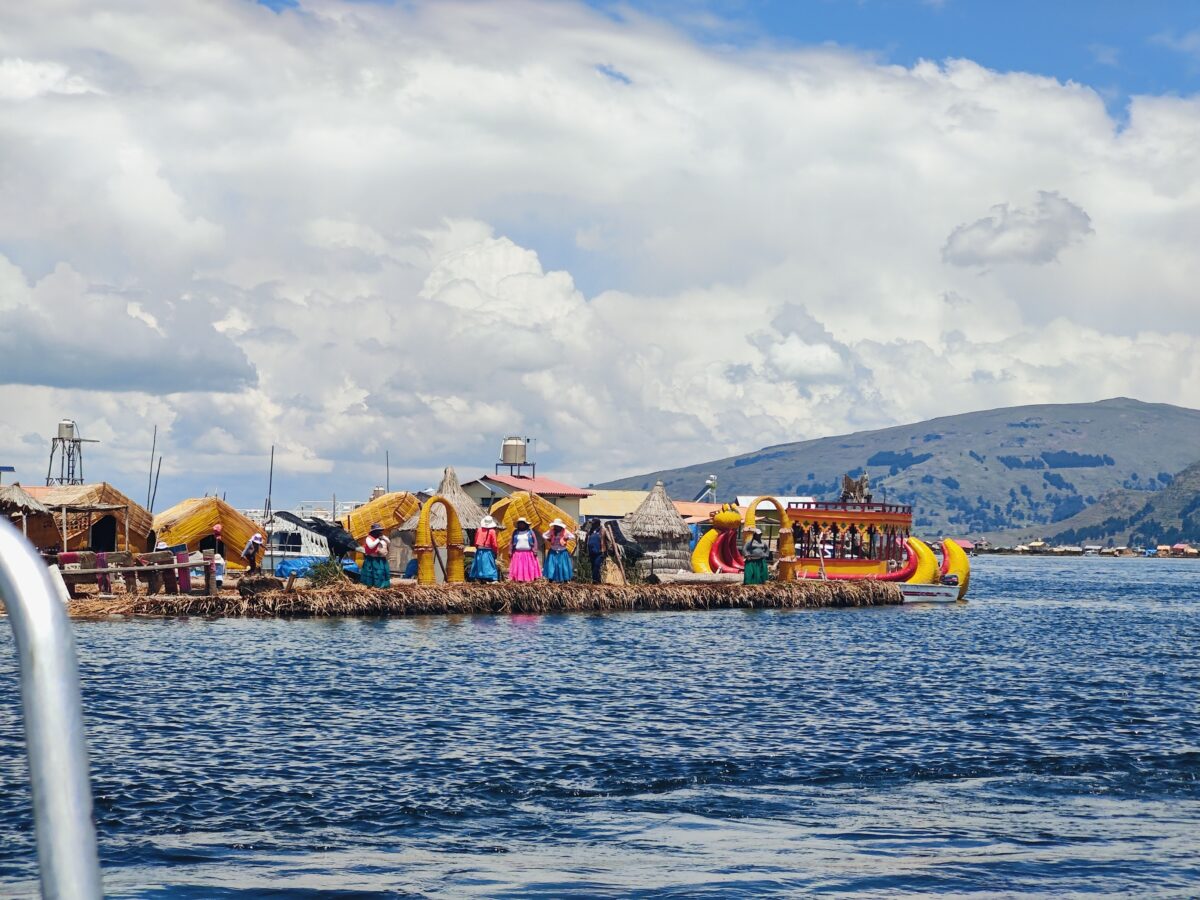
I took a trip to the floating islands of the Uros on Lake Titicaca, the highest navigable lake in the world, sitting at nearly 4,000 meters above sea level. What I expected to be a simple visit to a remote community quickly turned into something far deeper. On one of the islands, I met Julian Uros, the “president” of the Uro island Machala Marka, who welcomed me and began to tell me the story of his people. His words, filled with pride and history, revealed a world that few outsiders truly understand—one that is at once ancient and constantly evolving, fragile yet resilient, and deeply intertwined with the lake itself. The more he spoke, the more I realized that the Uros are more than just a people who live on floating islands; they are the embodiment of human adaptation, survival, and ingenuity. This article is the result of that conversation and the history that Julian shared.
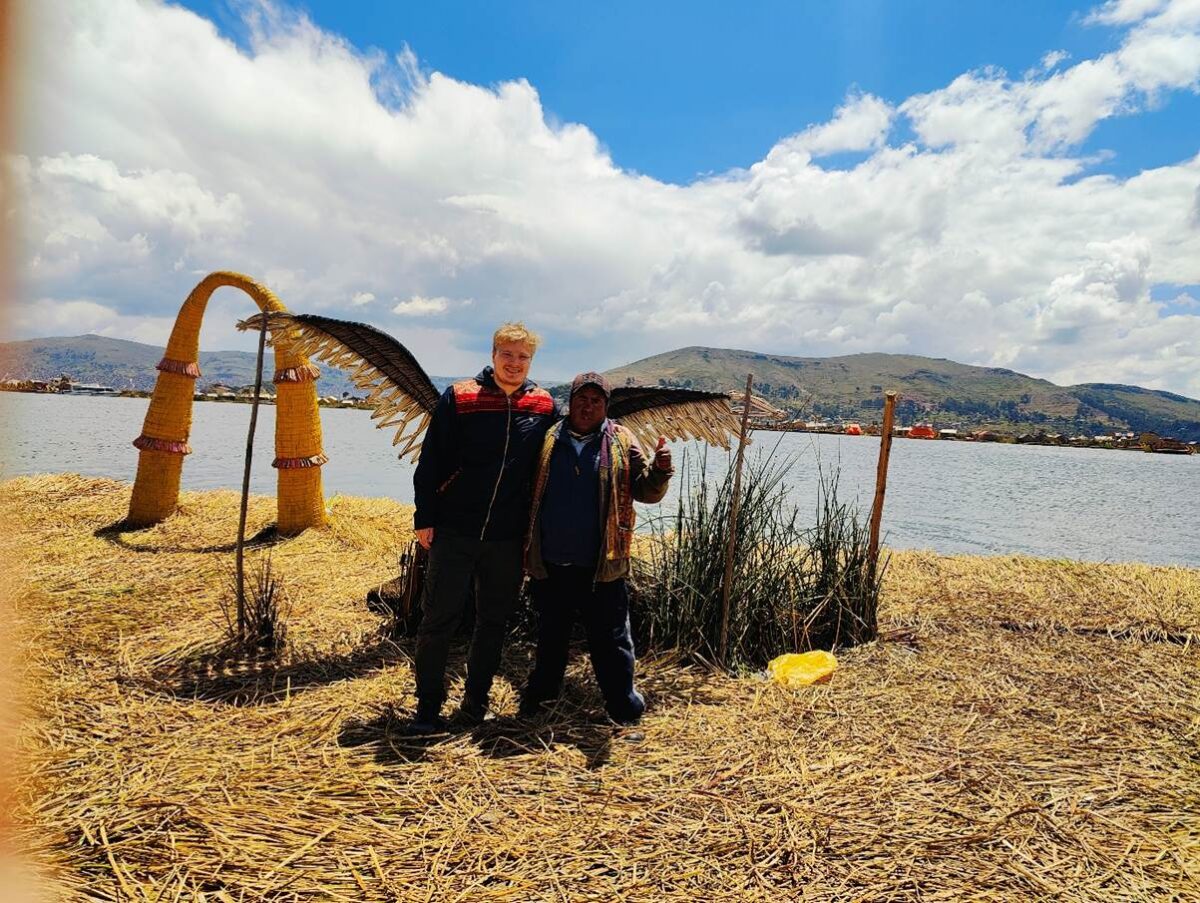
The Uros are often described as one of the most mysterious peoples of the Andes. They claim to be the original inhabitants of Lake Titicaca, a civilization that existed before the rise of the Aymara and Quechua, before the Incas, and possibly even before the Tiwanaku. According to their oral tradition, their ancestors fled onto the lake to escape war and domination by land-based civilizations. By constructing floating islands out of totora reeds, they created a sanctuary where they could live independently, beyond the reach of kings, conquerors, and tax collectors. Some myths even claim that they had “black blood” that made them immune to the cold, further reinforcing their claim to be a people apart from others.
However, modern research paints a more complex picture. Genetic studies suggest that the Uros are not a distinct ethnic group but are closely related to the Aymara people who live on the mainland (Big Think). Over centuries, intermarriage and cultural blending have made them genetically indistinguishable from their neighbors. Their original Uru language has vanished, replaced by Aymara and Spanish. Despite this, the Uros continue to assert their distinct identity—not through blood, but through their unique way of life, which has remained tied to the lake for generations.
The floating islands of the Uros are an incredible feat of human engineering. They are not simply rafts but carefully constructed artificial lands made entirely of totora reeds (Schoenoplectus californicus subsp. tatora), which grow in abundance in the shallow waters of Titicaca. The process of building an island starts with khili, the dense root masses of the totora plant, which naturally float on the water. These roots are cut into blocks and tied together with ropes to form the base of the island. On top of this foundation, layers of dried reeds are added in a crisscross pattern, creating a thick and buoyant surface. The lower layers constantly rot due to their contact with water, meaning that new reeds must be added on top every two to three weeks to maintain the island’s strength. Because of this, the islands are in a constant state of renewal, requiring continuous effort from the families who live on them.
Each island is home to an extended family, with small houses also made of totora. These lightweight structures are designed to be easily moved or rebuilt. The islands are anchored to the lake bed using wooden stakes and ropes, but they are semi-mobile—if necessary, they can be detached and moved to a new location. This ability to relocate has historically allowed the Uros to adapt to changing environmental conditions, avoid conflict, and maintain autonomy.
The social structure of the Uros is as unique as their floating islands. Each island operates as an independent unit, usually governed by a leader or “president,” like Julian. There is no centralized government for all the Uros; instead, each island’s leader represents their people in making communal decisions, handling interactions with the Peruvian authorities, and managing tourism. When conflicts arise between families, the Uros have a remarkable solution—they literally cut the island apart. If disagreements become too serious, sections of the island are physically separated, and one family will float away to establish a new home elsewhere. This extreme yet effective way of dealing with disputes has helped them maintain social harmony for centuries (eHRAF World Cultures).
For most of their history, the Uros survived through fishing, hunting water birds, and gathering lake resources. However, major changes to the lake’s ecosystem in the 20th century forced them to adapt once again. One of the biggest disruptions came with the introduction of invasive fish species. In an effort to promote commercial fishing, the Peruvian government introduced rainbow trout (Oncorhynchus mykiss) and Argentine silverside, or pejerrey (Odontesthes bonariensis). These species outcompeted and preyed upon native fish, including the Titicaca orestias (Orestias cuvieri), which was once a staple in the Uros diet. As a result, the Uros were forced to shift their fishing practices, catching and eating the very species that had disrupted their traditional food sources. The lake’s ecosystem has never fully recovered, and many native fish are now endangered or extinct.
In recent decades, tourism has become the primary source of income for the Uros, transforming their way of life. Visitors come from all over the world to see the floating islands, hear the stories of the Uros, and buy handcrafted goods. Some islands have adapted by incorporating solar panels for electricity, radios for communication, and even schools built on floating platforms. Motorboats have replaced traditional reed boats for transportation. However, this increasing dependence on tourism presents new challenges. Some critics argue that the floating islands are becoming more of a tourist attraction than a real way of life. Many Uros families now live on the mainland part-time, returning to the islands mainly to receive visitors. Younger generations are increasingly choosing to leave, drawn to educational and economic opportunities onshore.
Beyond tourism, the Uros face growing environmental threats. Pollution from cities like Puno has led to the contamination of the lake’s waters, affecting both fish populations and the health of the totora reeds. Climate change has also created fluctuating water levels, which can destroy reed beds and make it harder to sustain the floating islands. These factors pose a major question: will the Uros be able to continue their traditional way of life, or will they be forced to fully integrate into the modern world?
Despite these challenges, the Uros have proven themselves to be remarkably resilient. They have survived through centuries of environmental changes, cultural assimilation, and shifting economies. Their story is not just about the past—it is about their ongoing struggle to preserve a way of life that has always existed on the margins of Andean civilization. Whether on water or land, they remain connected to Lake Titicaca, the heart of their identity.
As Julian finished telling me about his people, he looked out over the lake and said, “We are not from the land. We are from the water. As long as the lake exists, so will we.” His words stayed with me. The mystery of the Uros is not just about their origins, but about how they continue to exist in a world that is constantly changing.
