CLEAN WATER • HEALTHY ECOSYSTEMS • STRONGER COMMUNITIES
For a sustainable tomorrow
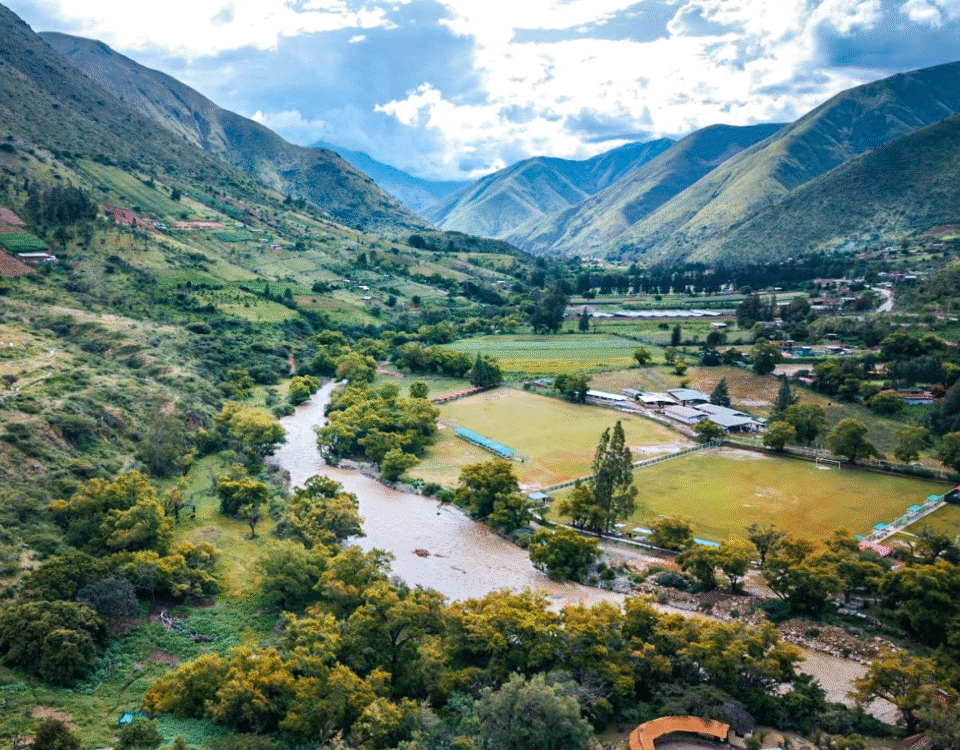
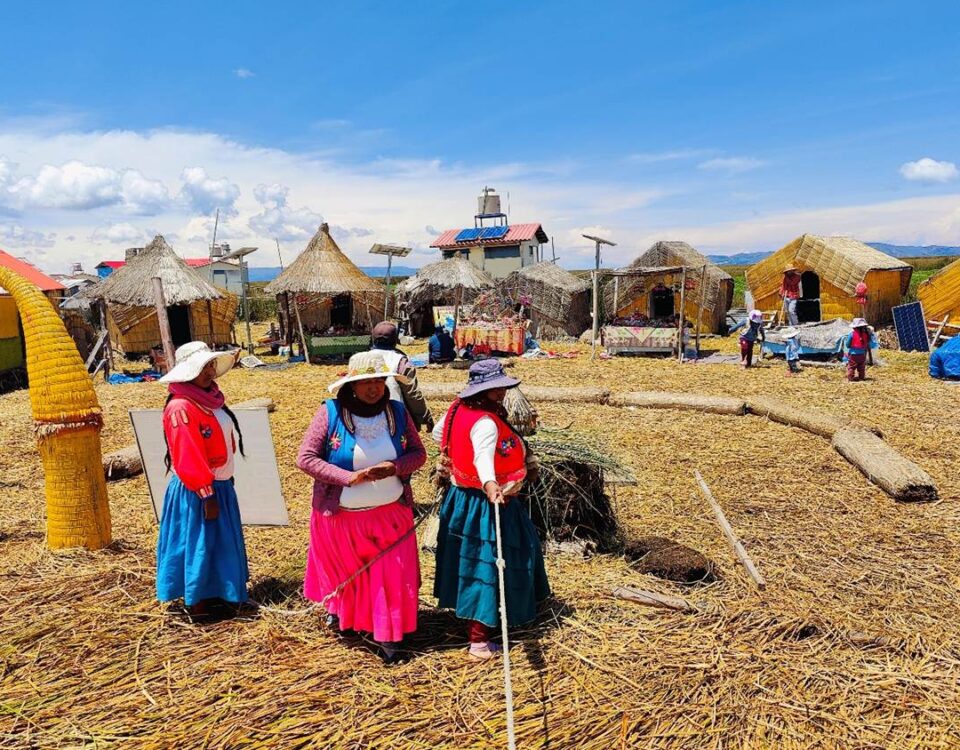
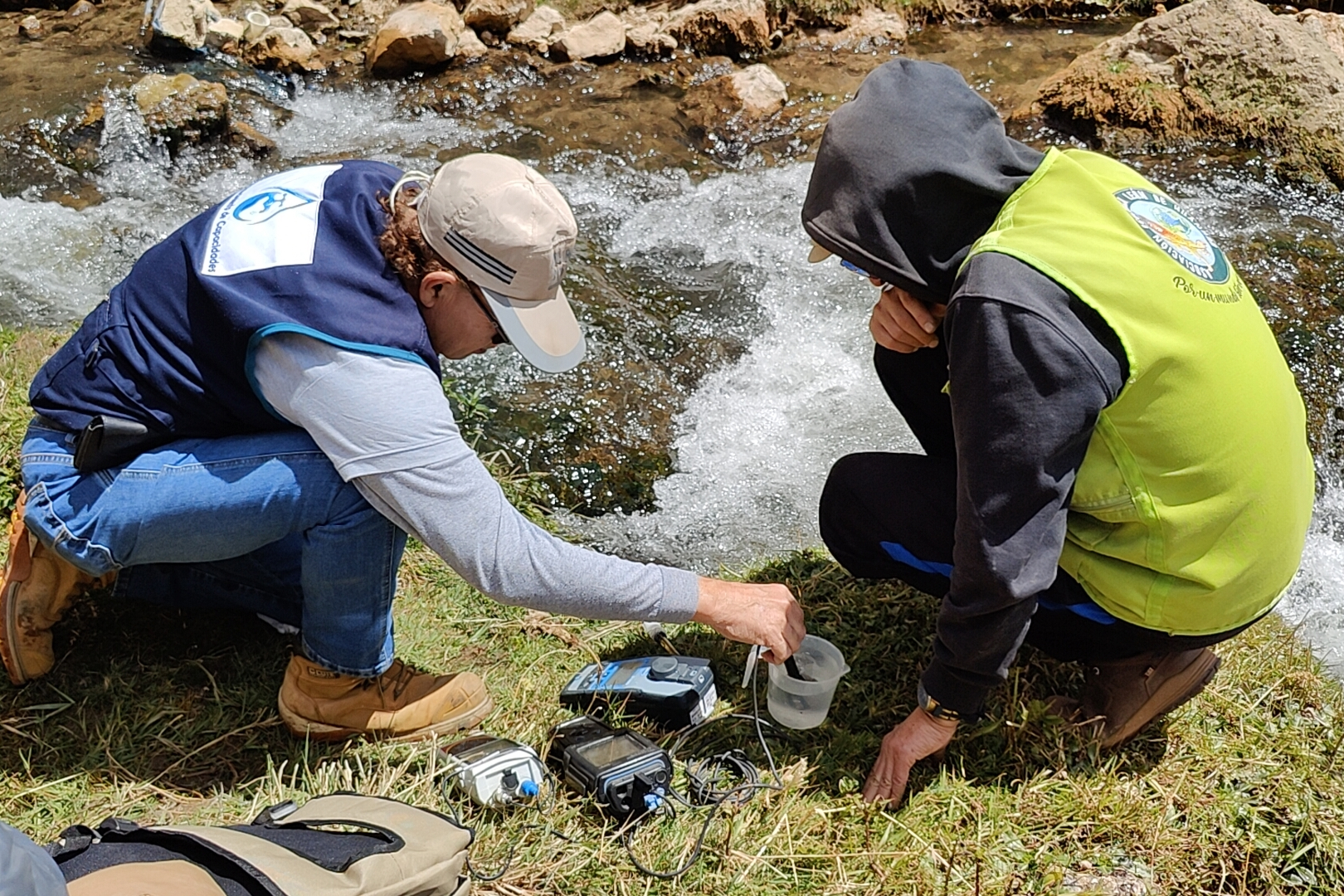
At SR&L, we work alongside local communities, researchers, and partner organizations to protect freshwater ecosystems through environmental monitoring, research, knowledge sharing, and collaborative action. Together, we promote sustainable solutions for healthier rivers, lakes, and the planet we all share.
Read more
REAL ACTION. LASTING CHANGE.
Our work
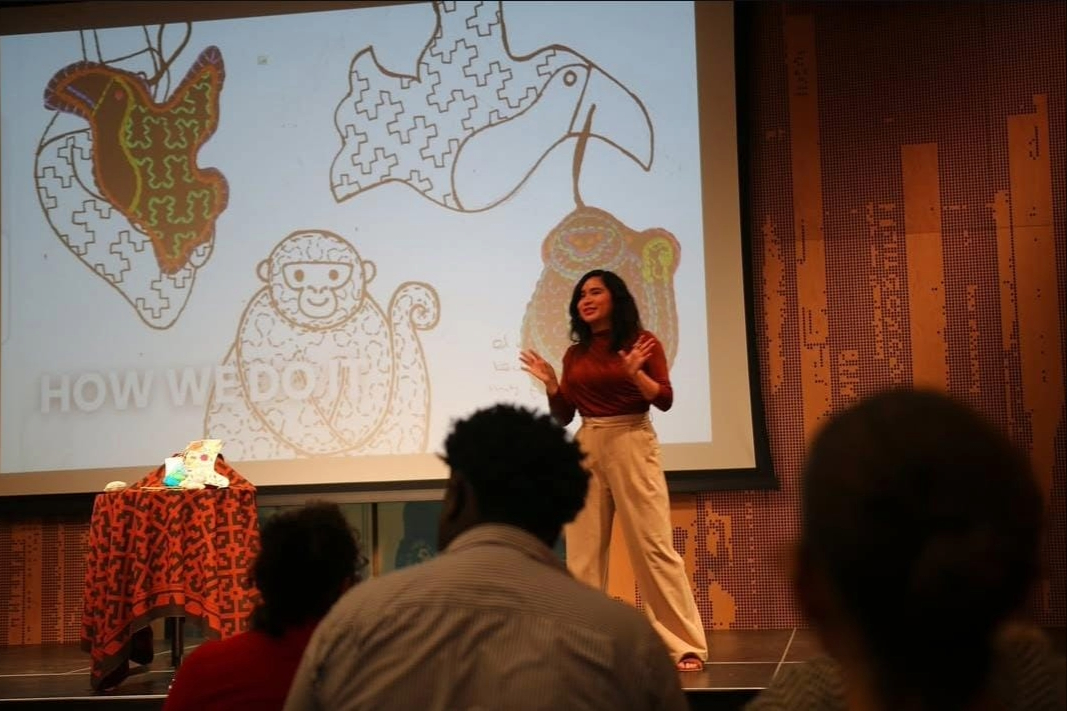
Voices of the Global South
Voices of the Global South
Our Rivers, Our Responsibility
Discover how we can protect freshwater, together.
Join the Flow
Small actions make a difference.
Save water
A 10-minute shower can use up to 150 litres of water, switching to a low-flow shower head cuts that in half (Waterwise, UK). Take shorter showers, turn off the tap while brushing, and fix any leaks. Every drop saved helps rivers and lakes maintain their natural flow.
Use eco-friendly products
Choose biodegradable, phosphate-free products and refillable options to keep water clean and reduce packaging.
Reduce plastic waste
Around 19–23 million tonnes of plastic leak into rivers and seas every year (UN Environment Programme). Plastic doesn’t disappear, it breaks into microplastics that pollute for decades. Avoid single-use plastics, carry reusables, and recycle properly. Small shifts upstream protect life downstream.
Plant and protect nature
Trees and native plants help filter and protect water sources, restoring the natural balance of rivers and lakes and improving overall ecosystem health.
Choose greener transport
Every time we drive, tiny bits of tyre rubber wear off and wash into rivers when it rains, these tyre particles are now one of the biggest sources of microplastics in our waterways (UNEP, 2024). Walk, bike, car-pool or use public transit. Reducing vehicle emissions helps water quality as well as air quality.
Learn About Water
Understand the world beneath the surface.
Where freshwater comes from
Only 2.5% of the planet’s water is freshwater, and less than 1% is easily accessible in rivers, lakes, and wetlands (UN Water, 2024). The rest is locked away in glaciers or deep underground. That small share sustains every community and ecosystem on Earth.
How rivers feed the world
Rivers make life, and food, possible. According to WWF (2021), one third of all food produced in the world depends directly on rivers, 25% of farmland relies on river water for irrigation, and 40% of global fish consumption comes from river systems. When rivers are polluted or run dry, food security and livelihoods are at risk.
The water we can't see
Every product we use hides a “water footprint.” It takes about 2,700 litres of water to make one cotton T-shirt and 15,000 litres to produce a kilogram of beef (Water Footprint Network, 2024). The average person indirectly consumes around 3,000 litres of virtual water each day (UNESCO WWAP, 2023). Choosing sustainable, local goods helps reduce this hidden use of freshwater.
Rivers and climate protectors
Healthy rivers and wetlands are powerful climate allies. Wetlands store two to three times more carbon than forests on average (UNEP, 2023), while floodplains absorb excess rain, reducing the impacts of floods and droughts (WWF, 2022). Protecting river ecosystems is one of the most effective natural climate solutions we have.
The future of water
By 2050, more than half of the global population could face water scarcity at least once a year (UNESCO WWAP, 2023). At the same time, global demand for freshwater is expected to rise by 20–30% (World Resources Institute). Protecting rivers, wetlands, and sustainable water systems today is essential to ensure clean and safe water for future generations.
BE PART OF THE SOLUTION
Get involved
Support our work by becoming a member, volunteering, partnering with us, or simply spreading the word. Together we can protect freshwater ecosystems for future generations.